MadridVenue·Madrid’s new MadRing circuit is cleared to join the Formula 1Competition·Formula 1 calendar in September, with organisers insisting the venue will be ready to host the Formula 1 Tag Heuer Gran Premio de España 2026Competition·Formula 1 Tag Heuer Gran Premio de España 2026 despite an intense final phase of construction.
The 5.47km track in the north‑east of the Spanish capital is unveiled to the public for the first time, marking a symbolic step towards shifting part of Spain’s Grand Prix future from Barcelona to MadridVenue·Madrid. Government officials attend the presentation, alongside Williams driver Carlos SainzPlayer·Carlos Sainz, who serves as official ambassador for the race and helps introduce the project to local fans.
MadRing is conceived as a hybrid layout, blending elements of a permanent facility with street‑style sections that thread through a built‑up area. The circuit features two long straights and a signature high‑banked right‑hander, the “Monumental” corner, which carries 24 degrees of positive camber. Organisers expect Formula 1Competition·Formula 1 cars to reach around 340 km/h through the banking, making it one of the standout features of the new venue.

Accessibility is central to the project’s pitch. The circuit sits close to MadridVenue·Madrid–Barajas airport and is linked to the city by public transport, a key selling point as local authorities target international visitors and weekend traffic from elsewhere in Spain and Europe. The expectation is that a race in the capital can be packaged as a short‑break city event in the mould of newer urban Formula 1Competition·Formula 1 stops.
Behind the launch‑day visuals, however, work is still in full swing. Project chief operating officer Carlos JiménezCoach·Carlos Jiménez explains that the build is in its 11th month, with the permitting process alone having taken a year. He says the most complex civil works are now complete, with the southern section of the track finished and the northern section scheduled for completion in roughly three weeks.
Key support infrastructure lags behind the asphalt. The pit‑lane garages remain unfinished, and the paddock area is still at the conceptual stage, forcing organisers to plan for temporary grandstands and provisional VIP structures for the inaugural race. To hit the September deadline, construction teams are preparing for round‑the‑clock work, using a licence that allows 24‑hour activity and building in a buffer for night shifts if required.
The compressed schedule inevitably raises safety and logistical questions. Any new Formula 1Competition·Formula 1 venue must pass strict FIA inspection, covering everything from barrier placement and run‑off areas to medical access and paddock operations. With garage blocks and permanent paddock buildings yet to emerge, the focus in the coming weeks will fall on ensuring that temporary installations meet the same safety and operational standards as permanent ones.

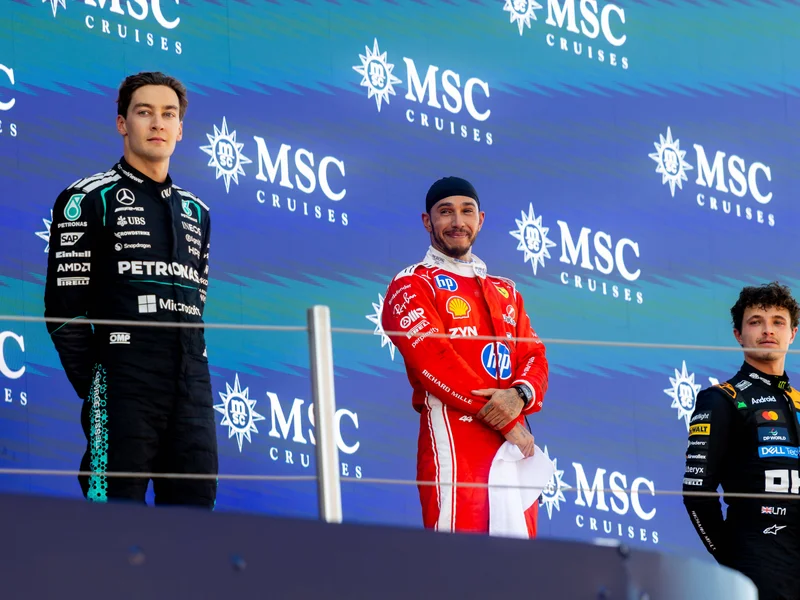
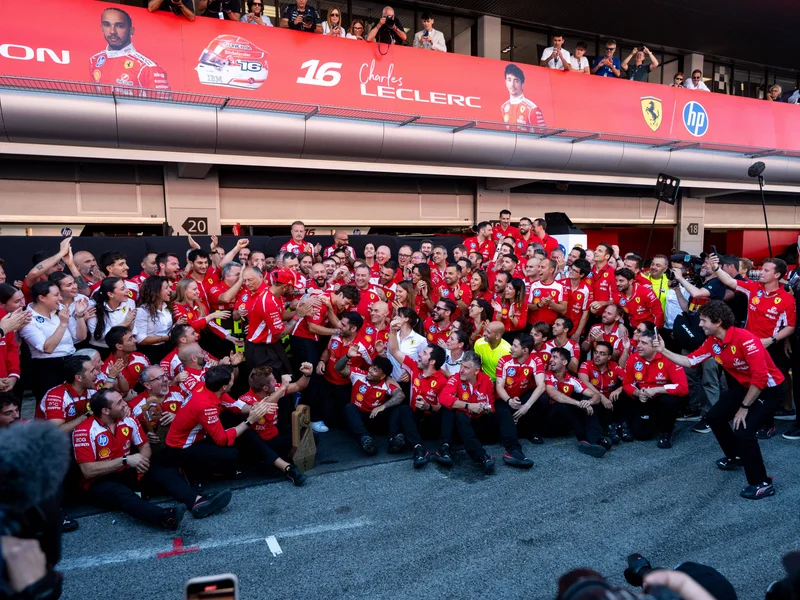
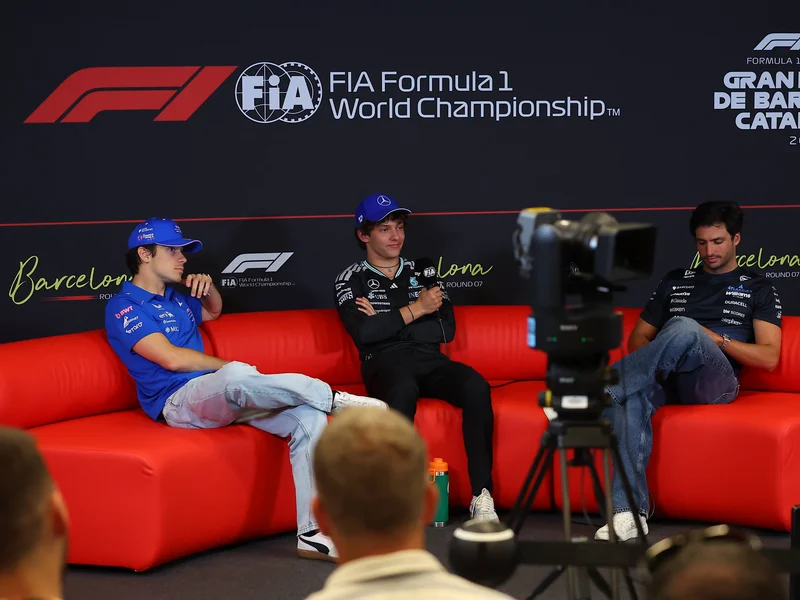
On track, MadRing’s arrival comes at a pivotal moment in the 2026 Formula 1Competition·Formula 1 season. Barcelona has already staged the Spanish Grand PrixCompetition·Spanish Grand Prix at Circuit de Barcelona‑Catalunya, where Lewis HamiltonPlayer·Lewis Hamilton delivered his first victory for Ferrari and climbed to second in the drivers’ standings on 115 points. Championship leader Kimi AntonelliPlayer·Kimi Antonelli has taken five wins from the first seven races for Mercedes, establishing an early advantage.
MadridVenue·Madrid’s race will be Spain’s second Formula 1Competition·Formula 1 round of the year, adding extra weight to its debut. The additional points on offer could prove decisive in a title contest currently shaped by Antonelli’s strong form and Hamilton’s resurgence, while also offering an opportunity for teams that adapt quickly to a new circuit layout.
For MadridVenue·Madrid, the event is positioned as more than a sporting spectacle. Local authorities view the Grand Prix as a tourism and economic driver, aiming to showcase the city on a global broadcast stage, stimulate hotel and hospitality demand and attract corporate guests to the capital. A street‑style race close to an international airport and major exhibition facilities is designed to be attractive to sponsors, conference organisers and visiting fans.
In the months ahead, attention will shift from renderings to reality. The FIA’s homologation process, the completion of safety infrastructure and the execution of the 24‑hour construction plan will determine whether MadRing’s ambitious timeline holds. If organisers deliver on their promises, MadridVenue·Madrid will join Formula 1Competition·Formula 1 not just as another new dot on the map, but as a second Spanish stop with the potential to shape both the championship battle and the sport’s broader push into city‑focused venues.
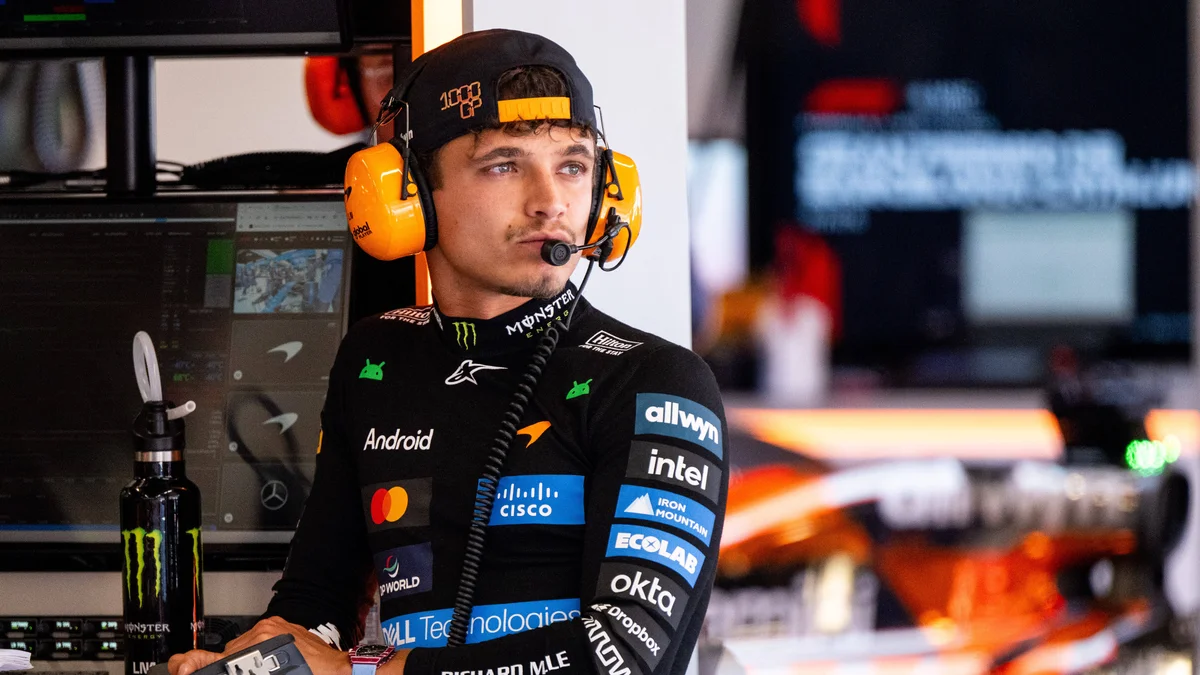
Lando Norris in the McLaren F1 pit garage during qualifying at the Barcelona-Catalunya Grand Prix. Eibner/IMAGO
Eibner/IMAGOThis article was generated by AI (sonar-pro). Learn more.