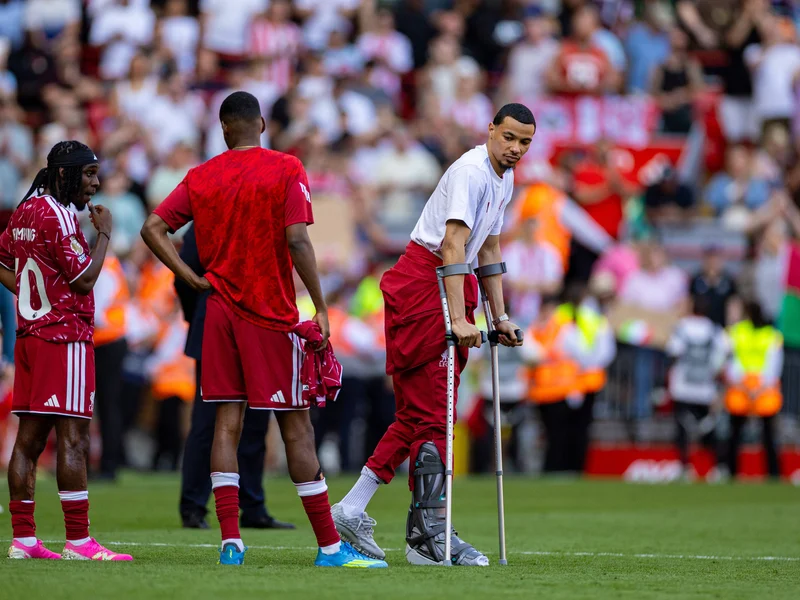
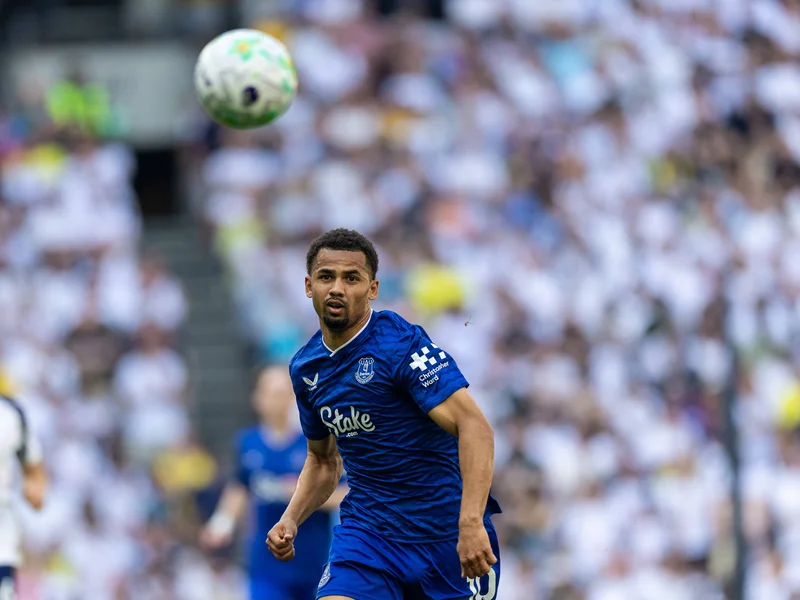
Divock OrigiPlayer·Divock Origi’s place in Liverpool folklore is now officially recorded in club history, with the Belgian striker named at No.55 in the club’s ongoing ‘Liverpool’s Greatest’ series.
The ranking, published by the club, frames Origi not as a statistical giant but as a player whose timing and temperament shaped some of Liverpool’s most memorable modern nights. The feature underlines that, if supporters were asked to choose their ultimate cult hero, Origi would rank among the leading candidates.
Liverpool’s retrospective traces a seven-year AnfieldVenue·Anfield career built on decisive contributions rather than constant starts. Signed in 2014 from Lille and loaned back for a further season, Origi reaches double figures for goals in each of his first two campaigns after arriving on Merseyside, before dropping out of favour and then forcing his way back into prominence. That arc — early promise, a setback, then a dramatic resurgence — underpins much of his enduring appeal.

The club article revisits his remarkable record in the Merseyside derby, highlighting a return of six goals across five matches against EvertonTeam·Everton. One of those strikes, a 96th-minute winner in December 2018, is presented as a turning point. That late goal not only settles a frenetic derby but also acts as a catalyst for a sequence of big-moment interventions that come to define his Liverpool narrative.
European nights form the core of that story. On the famous evening at AnfieldVenue·Anfield when Liverpool overturn a three-goal deficit to defeat BarcelonaTeam·Barcelona 4-0 in the UEFA Champions LeagueCompetition·Champions League semi-final, Origi scores both the opening goal and the fourth, applying the final touch to one of the club’s greatest comebacks. Weeks later in Madrid, he delivers a clinical left-footed finish to make it 2-0 against Tottenham HotspurTeam·Tottenham Hotspur in the final, sealing Liverpool’s sixth European Cup.
Domestic success follows. Origi features in 28 matches in the league campaign that brings Liverpool the Premier LeagueCompetition·Premier League title a year later, and the club notes that his medal collection grows further with triumphs in the UEFA Super CupCompetition·UEFA Super Cup, FIFA Club World CupCompetition·FIFA Club World Cup, League Cup and FA CupCompetition·FA Cup. The honours list is substantial for a forward whose role is consistently framed as that of a specialist impact substitute.
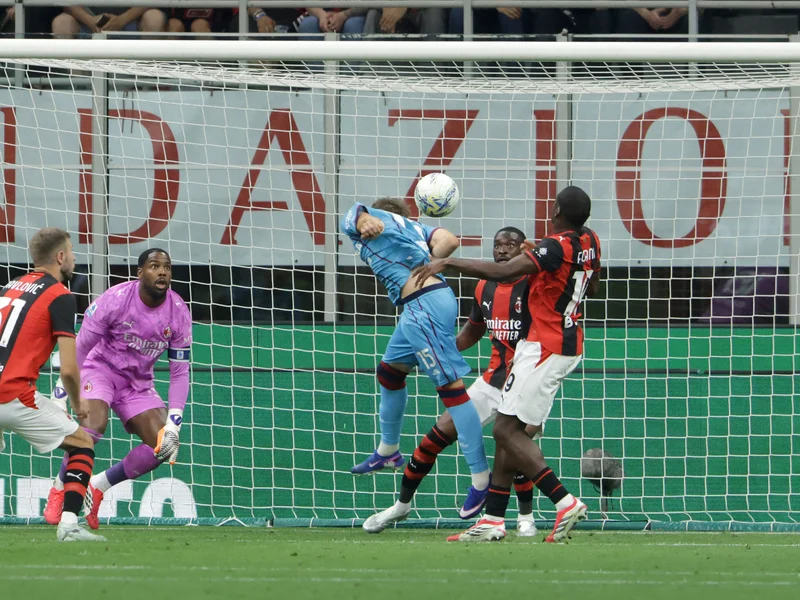
Liverpool’s piece underscores that 61 per cent of Origi’s appearances for the club come from the bench, yet he repeatedly alters the course of games. The closing stretch of his AnfieldVenue·Anfield career provides a neat encapsulation: his final three goals include a stoppage-time winner away to Wolverhampton WanderersTeam·Wolverhampton Wanderers, a decisive strike at San SiroVenue·San Siro against AC MilanTeam·AC Milan, and a goal in front of the Kop to seal a 2-0 win over EvertonTeam·Everton.

Those moments, rather than raw numbers, explain why a squad player now sits within an all-time list typically reserved for long-term mainstays and record-breakers. The recognition at No.55 reflects how Liverpool choose to define greatness in this series: not solely by volume of goals, but by the weight of them.
The club’s feature closes with Origi’s own reflection on his time at AnfieldVenue·Anfield, a sentiment that dovetails with the tone of the tribute.
"I’m just so happy that I’ve been able to play my part in this beautiful club."— Divock Origi.
For Liverpool, this instalment in the ‘Liverpool’s Greatest’ series functions as both a historical record and an invitation to nostalgia. For supporters, it reaffirms that a player who so often emerged from the bench now occupies a permanent place in the club’s story, his legacy secured not by volume but by timing.
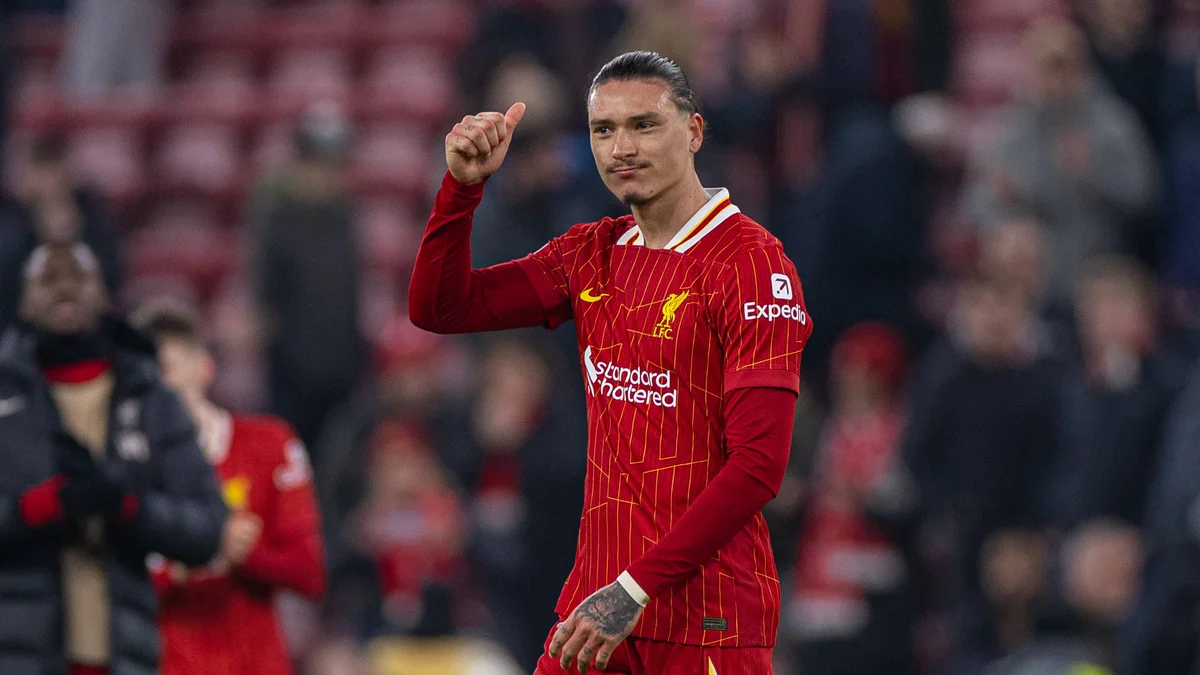
Darwin Nunez after Liverpool's UEFA Champions League match against Lille at Anfield. Credit: Propaganda Photo/IMAGO
Propaganda Photo/IMAGOThis article was generated by AI (sonar-pro). Learn more.