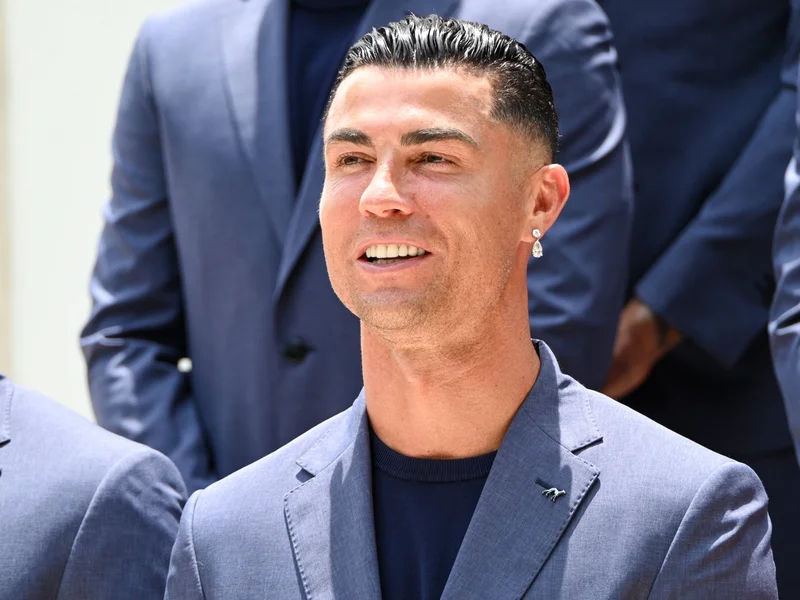
Cristiano RonaldoPlayer·Cristiano Ronaldo steps into the 2026 FIFA World Cup as both an enduring constant and a looming question mark for Portugal.
At 41, he remains Portugal’s captain and starting centre-forward, heading into a record sixth World Cup with his country framed as a leading contender in North America. The tournament offers him a rare convergence of personal milestones and collective ambition: one last realistic shot at the only major title absent from his career, and the chance to deepen records that already set him apart in the men’s game.
Ronaldo arrives in the United States on the back of a productive 2025/26 season with Al Nassr in Saudi Arabia’s Pro League, where he won the league title and finished as the club’s top scorer with 28 league goals. That return underlines why Portugal still build around him in the penalty area, even as his game has shifted from all-action forward to penalty-box specialist.

The international picture reinforces that logic. Ronaldo remains the all-time leader in men’s international appearances and goals, with 227 caps and 143 goals for Portugal. He played a central role in Portugal’s 2025 UEFA Nations League triumph, scoring eight times in the competition, including a key equaliser in the final against Spain. That campaign, combined with his club form, is repeatedly cited by analysts as evidence that he can still decide matches at the highest level despite his age.
Yet his presence in this World Cup carries a different weight. Portugal line up in Group K alongside DR CongoTeam·DR Congo, UzbekistanTeam·Uzbekistan and Colombia, and external models place them in the top bracket of title contenders. Within that context, Ronaldo is more than a symbol. Under Roberto Martínez, Portugal have leaned towards a structure that allows the team to press collectively while preserving the veteran forward’s energy for decisive moments in and around the box.
The expectation is that Portugal will again use a system that maximises support around their captain rather than asking him to lead the press. That typically means runners from midfield and wide areas attacking space around him, with Ronaldo occupying central defenders, attacking crosses and providing the penalty-box reference point. The tactical balance is delicate: Portugal must harness his finishing and movement without compromising their intensity off the ball.
Debate around his role has intensified in the build-up. Among Portuguese supporters, opinion divides between those who see an indispensable leader and those who worry that building around a 41-year-old centre-forward could slow the team against more dynamic opponents. Coaching staff, however, signal continuity: Ronaldo is still viewed as the focal point in attack, backed by his recent numbers and fitness reports.

Ronaldo himself has pushed back against questions about his physical condition, pointing to his performances for club and country as proof that he can sustain his level over a long season. He has also stressed that Portugal must treat the group stage “game by game”, with a clear aim to finish top of Group K and build momentum through the knockouts.
Off the pitch, the scenes around Portugal’s departure from Lisbon and arrival in Florida underline his enduring global pull. Large crowds turn out at the airport and at the team base to welcome the squad, many in Ronaldo shirts, many aware that this may be their final chance to see him at a World Cup. Within the camp, federation officials describe him as calm and influential in setting standards for a squad that blends experienced names with younger talent.
The stakes are clear. Portugal have never won the World Cup, with their best finish a third place in 1966. For Ronaldo, that historical gap and his own decorated career intersect in this tournament. A deep run would strengthen a legacy already defined by records; an early exit would intensify questions over whether his central role helps or hinders Portugal’s evolution.
As Portugal prepare for their opener against DR CongoTeam·DR Congo in Houston, the storyline around Ronaldo is not simply about whether he can still score. It is about how a national team adapts around a global star in the twilight of his career, and whether that compromise can carry them to the one prize that has always eluded him.

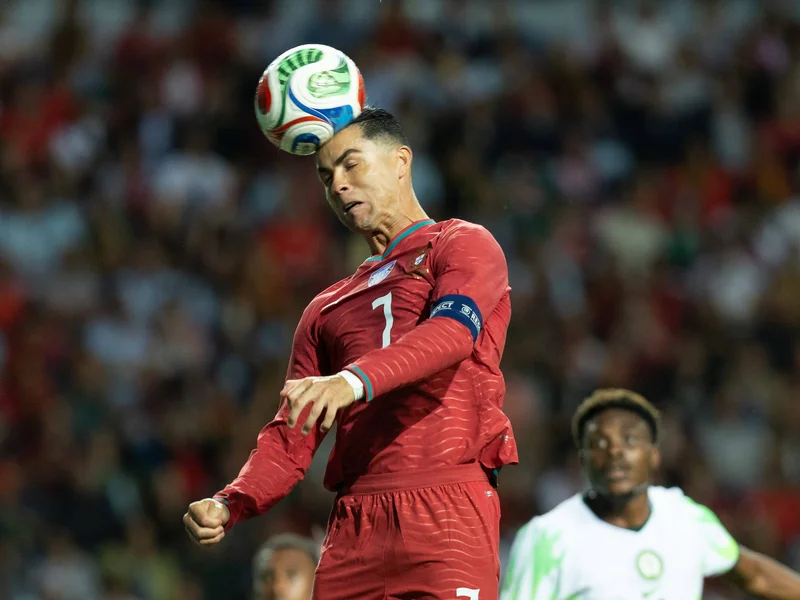
Cristiano Ronaldo (7) in action for Portugal during a friendly match against Nigeria. ZUMA Press Wire/IMAGO
ZUMA Press Wire/IMAGOThis article was generated by AI (sonar-pro). Learn more.