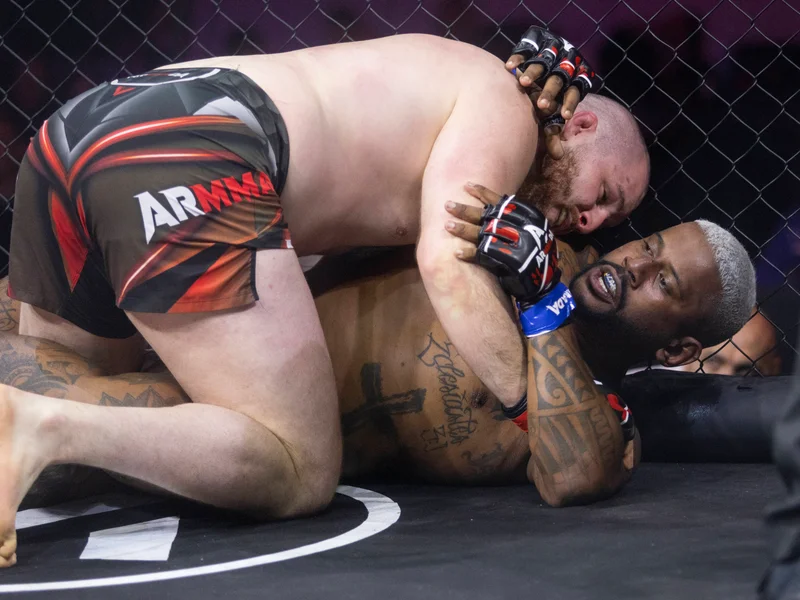
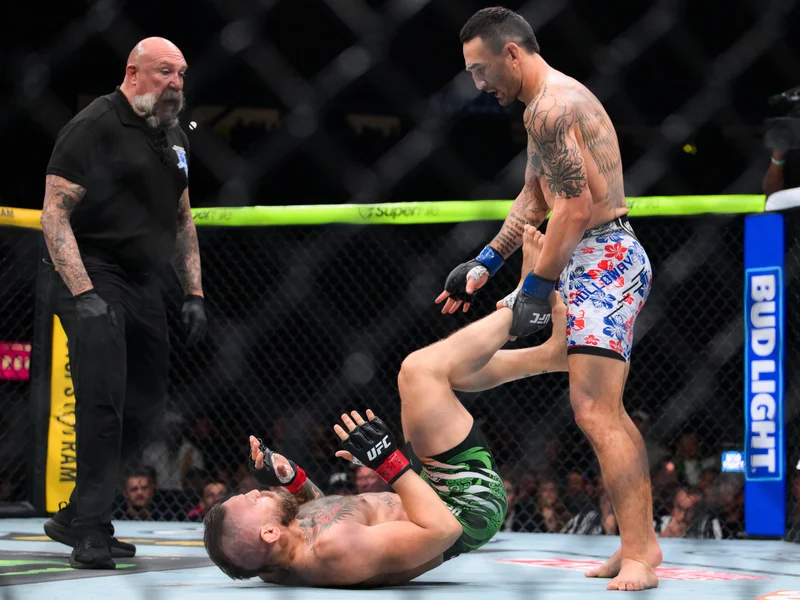
The long-established path for talented wrestlers to transition into mixed martial arts (MMA) has seen a significant decline in recent years, particularly among the sport's most accomplished names. While Olympic gold medalist and multiple NCAACompetition·NCAA champion Gable StevesonPlayer·Gable Steveson is set to make his UFCCompetition·UFC debut in July, his trajectory appears to be an exception rather than the rule for top-tier grapplers.
Historically, the allure of MMA, and specifically the Ultimate Fighting Championship (UFCCompetition·UFC), offered a lucrative career path for wrestlers once their collegiate careers concluded. Opportunities to earn a substantial living solely through competitive wrestling were often limited to a select few who achieved Olympic or World Championship titles. For many, MMA provided a viable avenue to professionalize their athletic prowess and secure financial stability.
However, the landscape has evolved. Two-time Olympian and UFCCompetition·UFC Hall of Famer Daniel CormierPlayer·Daniel Cormier attributes this shift primarily to improved financial prospects within wrestling itself. Speaking to Ya’ll Street TV, Cormier highlighted the increased earning potential for wrestlers who choose to remain in their foundational sport.
"We don't have an American male champion right now," Cormier stated, momentarily overlooking Sean Strickland's UFC Middleweight title. "I think maybe we've done so much that the American wrestler isn't as available anymore. In wrestling, there are RTC centers where guys are making a little more money. I remember telling you guys before, I used to sit and wonder how many times I went right when I should have gone left? Now, 'right' means $200,000 a year as a coach."
Cormier emphasized that an annual income of $200,000 holds considerable appeal for many wrestlers, especially those residing in smaller communities such as Stillwater, OklahomaVenue·Stillwater, Oklahoma; Happy ValleyVenue·Happy Valley, home to Penn StateTeam·Penn State; or Raleigh, North CarolinaVenue·Raleigh, North Carolina. These figures represent a substantial income in such areas, making the prospect of enduring the physical demands of MMA less compelling.
Beyond coaching roles, the emergence of organizations like Real American Freestyle has also created additional avenues for wrestlers to earn money outside of major tournaments. These developments allow athletes to remain active and financially secure without the inherent risks associated with professional fighting.
While Cormier expressed a desire to see more leading American wrestlers enter MMA in the future, current trends suggest otherwise. Of the 16 American wrestlers who competed at the 2024 Paris Olympic Games, only silver medalist Kennedy BladesPlayer·Kennedy Blades has publicly expressed serious interest in potentially pursuing a fighting career. This indicates a clear slowdown in the flow of elite wrestling talent into the mixed martial arts arena, a trend that appears set to continue unless the financial dynamics shift once more.
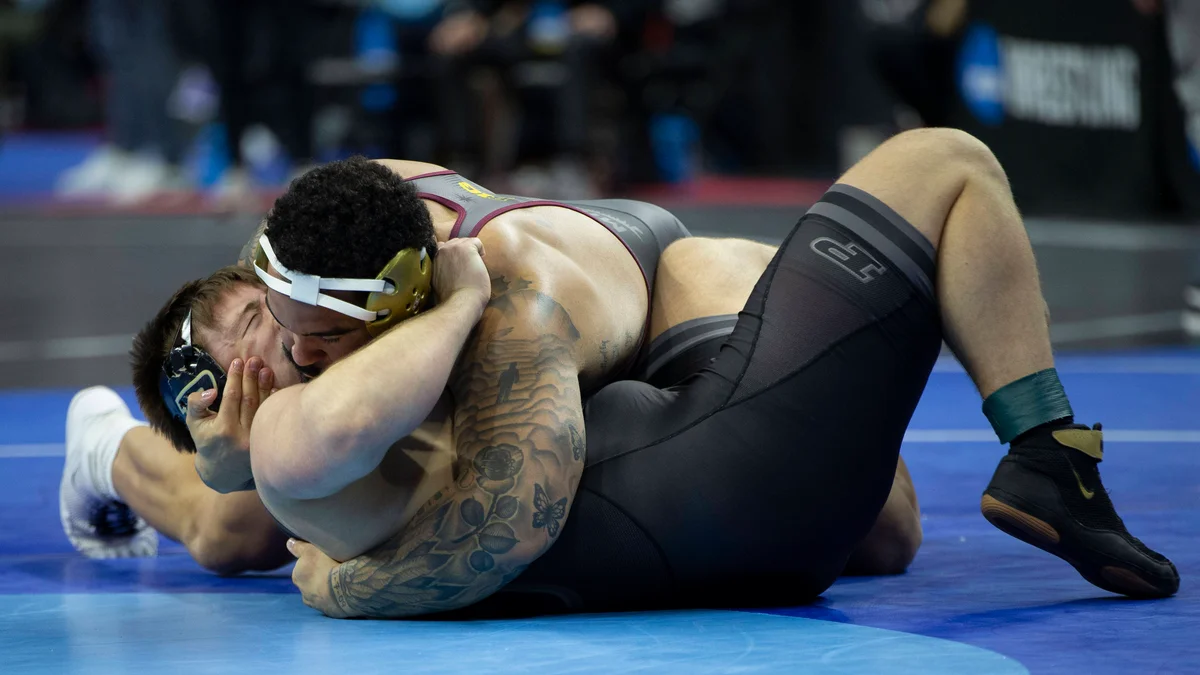
Minnesota's Gable Steveson pins Purdue's Hayden Filipovich at the 2025 NCAA wrestling championships. (ZUMA Press Wire/IMAGO)
ZUMA Press Wire/IMAGOThis article was generated with the help of AI. Learn more.